
Winter brings its own kind of beauty. Cooler air, slower days, and a natural shift inward. But for your skin, the colder months can be challenging. Dry air, fluctuating temperatures, and indoor heating all work together to strip moisture from the skin, leaving it feeling tight, dull, or more sensitive than usual.
That’s where professional facials come in. Seasonal skin care matters, and winter is a key time to support your skin’s health, helping you feel nurtured and cared for throughout the season.
How Winter Weather Affects Your Skin
During winter, the skin is exposed to a combination of environmental stressors that can disrupt its natural balance.
Cold outdoor temperatures reduce humidity levels, while indoor heating further dries the air. Together, these conditions can lead to:
- Increased dryness and flaking
- Heightened sensitivity and redness
- A weakened skin barrier
- A dull or uneven complexion
Without proper care, winter skin concerns can compound over time, making it harder for the skin to retain moisture and recover on its own. This is why adjusting your skincare routine—and incorporating professional treatments—becomes especially important during the colder months.
Why Regular Facials Matter More in Winter
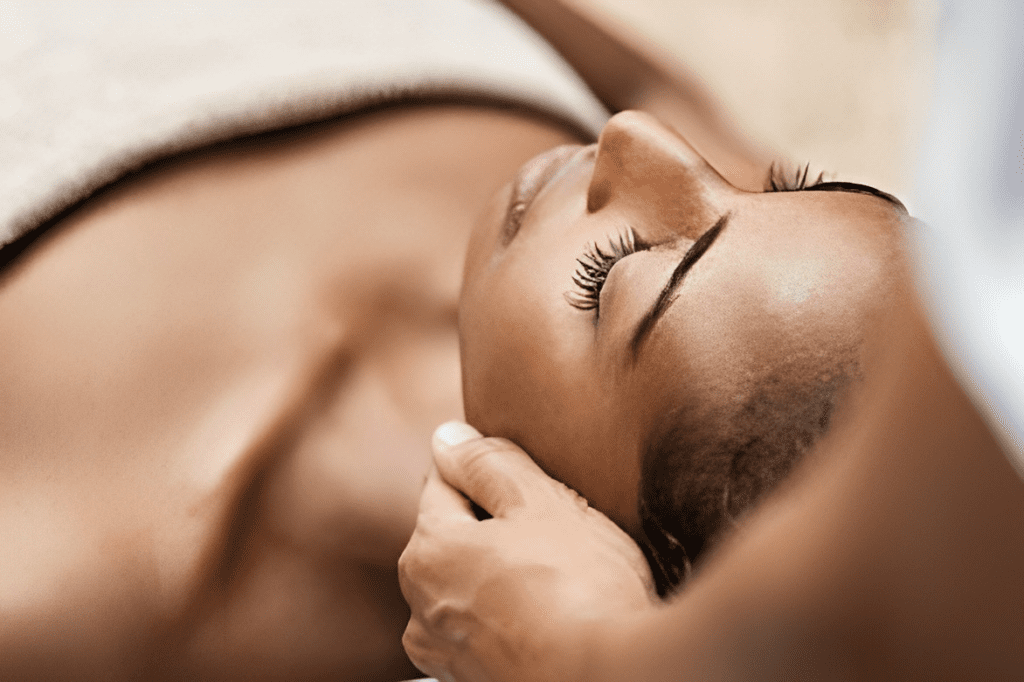
Facials aren’t just about relaxation; they play a key role in maintaining skin health year-round. In winter, their benefits become even more noticeable.
Professional facials help address seasonal skin changes by:
- Replenishing lost hydration
- Supporting the skin’s protective barrier
- Encouraging healthy cell turnover
- Soothing irritation caused by dryness
Rather than reacting to winter skin problems once they appear, regular facials help prevent them, keeping your skin nourished, balanced, and resilient all season long.
Key Benefits of Winter Facials
Deep Hydration
One of the most important winter facial benefits is hydration. Cold air and indoor heat can pull moisture from the skin, leaving it dehydrated and tight.
Hydrating facial treatments deliver moisture deep into the skin and help it retain it longer. This results in skin that feels softer, plumper, and more comfortable, even in dry winter conditions.
Barrier Repair and Protection
Your skin barrier acts as a shield, protecting against environmental damage and preventing moisture loss. Winter conditions can weaken this barrier, making skin more prone to irritation.
Professional facials help strengthen the skin barrier by:
- Using nourishing ingredients that support repair
- Locking in moisture
- Reducing sensitivity over time
A healthy barrier means healthier-looking skin and better long-term resilience.
Gentle Exfoliation
Dry, flaky skin is common in winter, but harsh exfoliation can worsen sensitivity. Facials provide controlled, gentle exfoliation that removes dead skin cells without disrupting the skin’s balance.
This allows:
- Better absorption of skincare products
- Smoother texture
- A brighter, more even complexion
Professional exfoliation is especially beneficial for winter skin, which needs care rather than aggressive treatments.
Nourishment and Restoration
Winter facials are designed to nourish the skin with calming, restorative ingredients. These treatments help replenish what the skin loses during colder months, supporting overall health and vitality.
Best Facial Treatments for Winter Skin
The best facial treatments for winter focus on hydration, repair, and comfort rather than intensity.
Winter-friendly facial options often include:
- Hydrating facials for dry winter skin
- Barrier-repair treatments
- Calming facials for sensitive or reactive skin
- Treatments designed to restore glow and elasticity
A licensed esthetician can help you find the perfect facial tailored to your skin type and concerns during winter, making you feel supported and confident in your skincare choices.
You can learn more about professional skin care services by exploring the offerings on the Thrive NOLA Spa skin care page.
How Facials Improve Circulation and Skin Health in Winter
Facials don’t just benefit the skin’s surface. Massage techniques used during treatments help stimulate circulation, which supports skin health in several ways.
- Improved circulation can:
- Deliver oxygen and nutrients to skin cells
- Support a healthy glow
- Encourage natural skin renewal
In winter, when skin can appear dull or sluggish, this boost in circulation helps restore vibrancy and balance.
While facials are generally safe, some individuals worry about irritation or reactions. Our licensed estheticians assess your skin to ensure the right treatment, making your winter skincare routine both effective and safe.
How Often Should You Get Facials During Winter?
Consistency is key when it comes to winter skincare facials.
For most people:
- A facial every 4 to 6 weeks is ideal during winter
- Those with very dry or sensitive skin may benefit from more frequent treatments
Regular facials help maintain hydration levels and prevent seasonal skin concerns from building up over time.
Who Benefits Most from Winter Facials?
While nearly everyone can benefit from facials during winter, they’re especially helpful for:
- Individuals with dry or dehydrated skin
- Those experiencing increased sensitivity or redness
- People that are spending a lot of time in heated indoor environments
- Anyone noticing dullness or uneven texture
Professional facials for dry skin can make a noticeable difference in comfort, appearance, and overall skin health during the colder months.
Professional Facials vs. At-Home Winter Skincare
At-home skincare is essential, but it can only go so far, especially in winter. Professional facials offer benefits that at-home routines can’t fully replicate, including:
- Higher-quality, professional-grade products
- Expert assessment of your skin’s changing needs
- Targeted treatments and techniques
- Deeper hydration and nourishment
Think of professional facials as a complement to your daily routine—supporting and enhancing the care you provide at home.
Post-Facial Winter Skincare Tips
To extend the benefits of your winter facial, a few mindful habits can help:
- Use gentle, hydrating cleansers
- Apply moisturizer while the skin is still slightly damp
- Avoid harsh exfoliants between treatments
- Protect skin from cold wind when outdoors
These simple skin care tips for winter season care help maintain results and keep your skin feeling comfortable and supported.
Related Blog: Benefits of Hydrafacial for Skin
When to Book Facials for Optimal Winter Skin Health
Winter is the ideal time to be proactive with skincare. Booking facials early in the season helps prevent dryness and irritation before they become more noticeable.
- Many people benefit from:
- Starting facials as temperatures drop
- Maintaining a consistent schedule throughout winter
- Continuing treatments into early spring for a smooth seasonal transition
If you’re ready to support your skin through the colder months, the team at Thrive NOLA Spa is here to help. You can explore our services or reach out through the contact page to plan your winter skincare routine.
Also Read: Why a Family Spa Day Is Great for Connection, Wellness, and Balance