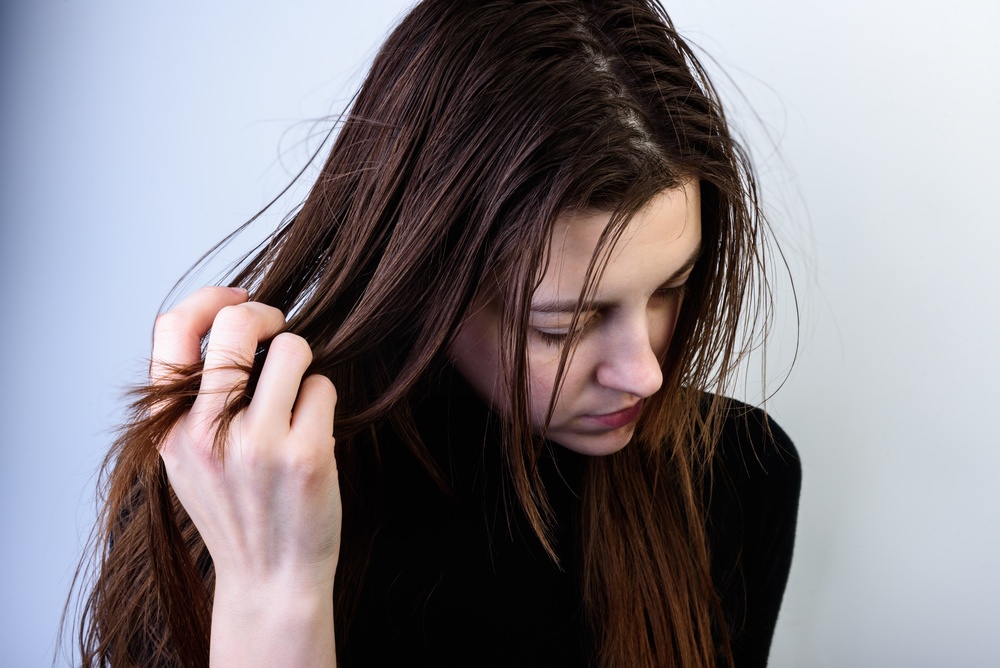
A walk through the French Quarter or a few errands on a warm day can leave your roots feeling damp and heavy. In New Orleans, humid air can make sweat linger, adding to the greasy feeling around your hairline. That does not always mean your scalp is making more oil. Sweat, natural oils, and styling products can all play a part. Understanding what causes oily roots can help you adjust your routine and decide where a head spa in New Orleans might fit.
Humidity Makes Sweat Dry More Slowly
Your body sweats to cool down. As that moisture dries from your skin, it carries away heat. When the air is humid, sweat takes longer to dry, so your scalp and hairline may stay damp. This can happen after exercise, time outdoors, or a short walk in warm weather. Damp roots may look flatter and feel sticky, which you might mistake for extra oil. High humidity changes how quickly sweat dries, but a greasy feeling alone does not tell you how much oil your scalp produces.
Sweat and Scalp Oil Are Different
Your scalp makes natural oils that help protect the skin and hair. Sweat is mostly water, so it serves a different purpose. On a warm day, moisture can sit alongside the oil already on your scalp and any products you have applied. Together, they may leave your roots feeling coated. Before changing your whole routine, notice when this happens. If your hair feels heavy mainly after time outdoors, heat and sweat may be part of the issue. Pay attention to scalp comfort, too.
Heavy Styling Products Can Add to the Feeling
Hair oils, creams, and gels can be useful, but using more than your hair needs may leave it feeling weighed down. Product buildup around the roots can add to that coated feeling on a humid day. You might notice it more if you keep adding products between washes. Check the directions and use the amount that suits your hair. Some products belong on the lengths and ends rather than the scalp. Cutting back on heavy styling products near your roots may help your hair feel lighter.
Match Your Wash Schedule to Your Hair
There is no single wash schedule that works for everyone. Fine, straight hair with oily roots may need washing more often than dry, thick, or curly hair. Your activity level and time outdoors also affect when your hair feels ready for a wash. Choose shampoo suited to your needs, gently clean the scalp, and rinse well. Avoid scrubbing with your nails or washing again simply because the weather is humid. Let your hair type and how dirty or oily your scalp feels guide your routine.
Dry Shampoo Cannot Replace Washing
A quick spray of dry shampoo can absorb oil and make your roots look less greasy between washes. It does not wash away sweat, dead skin, or the products left on your scalp. Adding it again and again may leave more residue behind. If your roots feel coated despite using dry shampoo, it may be time for shampoo and water. Think of dry shampoo as a short-term styling aid. Regular washing is still the step that cleans your scalp and removes what has collected there.
Review Your Routine After Sweaty Days
After a workout or a long afternoon outside, check how your scalp feels rather than following a fixed rule. Dampness alone does not mean you must use a strong cleanser. Your usual wash routine may be enough, with timing adjusted when needed. Keep scalp care simple and avoid adding several new products at once. For post-workout care, gently blot sweat around your hairline with a clean towel and let your scalp dry. Wash when your hair and scalp need cleaning, using the same care you would on other days.
How a Head Spa Can Fit Into Your Routine
A head spa in New Orleans offers scalp-focused cleansing alongside time to relax. The session starts with a conversation about your products, scalp concerns, and sensitivity. Gentle cleansing helps remove buildup, while scalp massage adds a calming part to the visit. It can be an extra step in your routine, but it cannot stop humid weather or permanently change oil production. Keep caring for your scalp between visits, and tell your provider if any product or touch feels uncomfortable.
When an Oily Scalp Needs More Attention
Greasy roots after a warm day are different from ongoing discomfort. If oiliness comes with persistent itching, a rash, thick flakes, sores, or pain, speak with a dermatologist. New bald patches or unusual hair loss also need medical advice. These symptoms can have causes that a spa treatment cannot diagnose or treat. Avoid blaming everything on humidity, especially if the problem continues after washing or changing products. Getting the cause checked can help you choose the right care.
Make Time for Gentle Scalp Care
At Thrive Nola Spa, head spa sessions bring together gentle cleansing and massage in the French Quarter. Our spa in New Orleans welcomes locals and visitors who want scalp care and a quiet break from a busy day. Tell our team about your routine, the products you use, and what you want from your visit. Call (504) 342-4586 to book your head spa treatment and enjoy care shaped around your comfort.